
How to Maintain Good Indoor Air Quality This Summer
Do You Need Indoor Air Quality Service this Summer?
How is your indoor air quality? If you don’t know, it’s probably time for professional indoor air quality testing. The Environmental Protection Agency (EPA) recommends indoor air quality testing every two years, primarily to look for radon. It can also reveal the presence of other contaminants, as well, including mold, dust mites, carbon monoxide, VOCs (volatile organic compounds) and particulate matter. Why do you need to know if any of these are in your air? Studies show that indoor air pollution can be significantly worse than in the air outside, and living with those contaminants in your air can negatively affect your health.
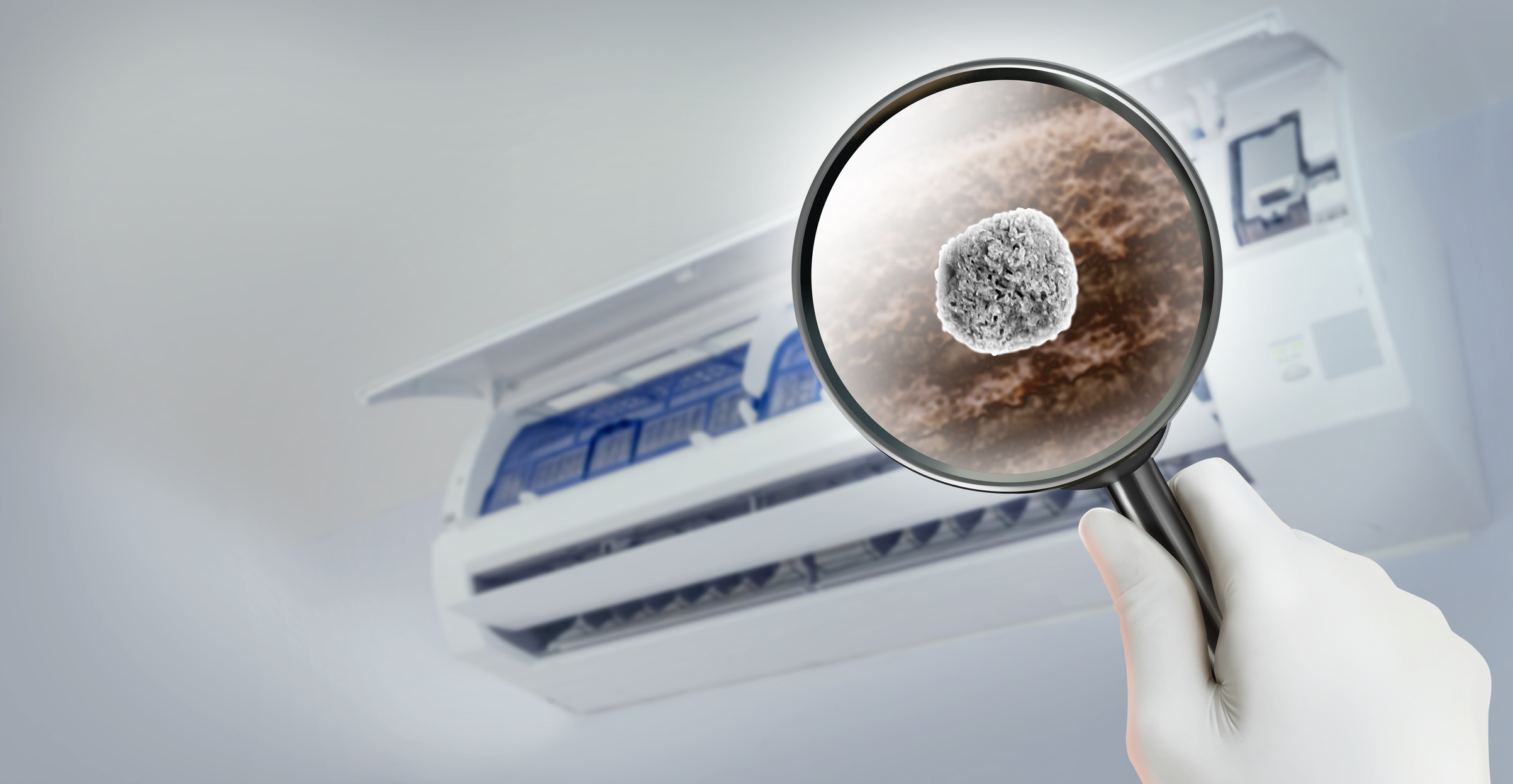
Why Does Indoor Air Quality Decline During Warmer Months?
The quality of your indoor air is important all year, but why is summer different from other seasons? There are a few different factors impacting air quality during the summer.
- High temperatures negatively affect air quality. When the weather gets warmer, certain pollutants increase, including pollen and ground level ozone. What’s more, the risk of wildfires increases during summer, and the pollutants from that smoke can work their way inside our homes.
- It’s not the heat as much as the humidity. If there’s one thing we have in abundance during a Florida summer, it’s humidity. The higher the humidity, the lower the air circulation, and that thick, slow moving air can trap pollutants, as well as giving bacteria and viruses a perfect breeding environment. Mold and mildew thrive in humidity, as well.
- Certain pollutants do quite well in hot, steamy air. In addition to mold and mildew, pet dander and other natural sources are prevalent in summer. Chemicals from cleaners, insecticides, and paint may linger in the indoor air, and outdoor pollution can come into the house when you open the windows.
Signs of Poor Indoor Air Quality
Aside from having an air quality test done, how do you know if your indoor air quality is poor? In many cases, you will feel it. You may notice that your sinuses are irritated, or you have symptoms of allergies. You may experience more frequent headaches, fatigue, or dizziness. Some people who are affected by poor indoor air quality experience nausea. Any unexplained health symptoms should lead you to look for a cause, and this can often be found while testing for indoor air pollution.
Summer Indoor Air Filtration Tips
To keep your indoor air quality healthy and safe, refrain from smoking indoors. In fact, it’s best to avoid burning anything inside your home, and that includes wood, candles and gas fireplaces. Clean frequently and thoroughly, vacuuming and washing your bed linens in hot water. Use natural cleaning products with no VOCs, which rely on plant-based ingredients instead of synthetic chemicals. Maintain moderate humidity through the use of dehumidifiers, and consider buying air-purifying plants like peace lilies, spider plants, mums, and aloe vera. These plants provide natural air filtration, absorbing airborne toxins and improving the indoor air quality.
Advanced Home Ventilation Solutions for Better Air Quality
Having proper home ventilation can help with indoor air quality. In areas of the house where moisture and pollutants can be an issue, like the kitchen and bathroom, be vigilant about using exhaust fans. Be strategic about opening your windows, only doing so when the local air quality forecast indicates that it’s safe.
Benefits of Professional Indoor Air Quality Testing, Inspection, and Services
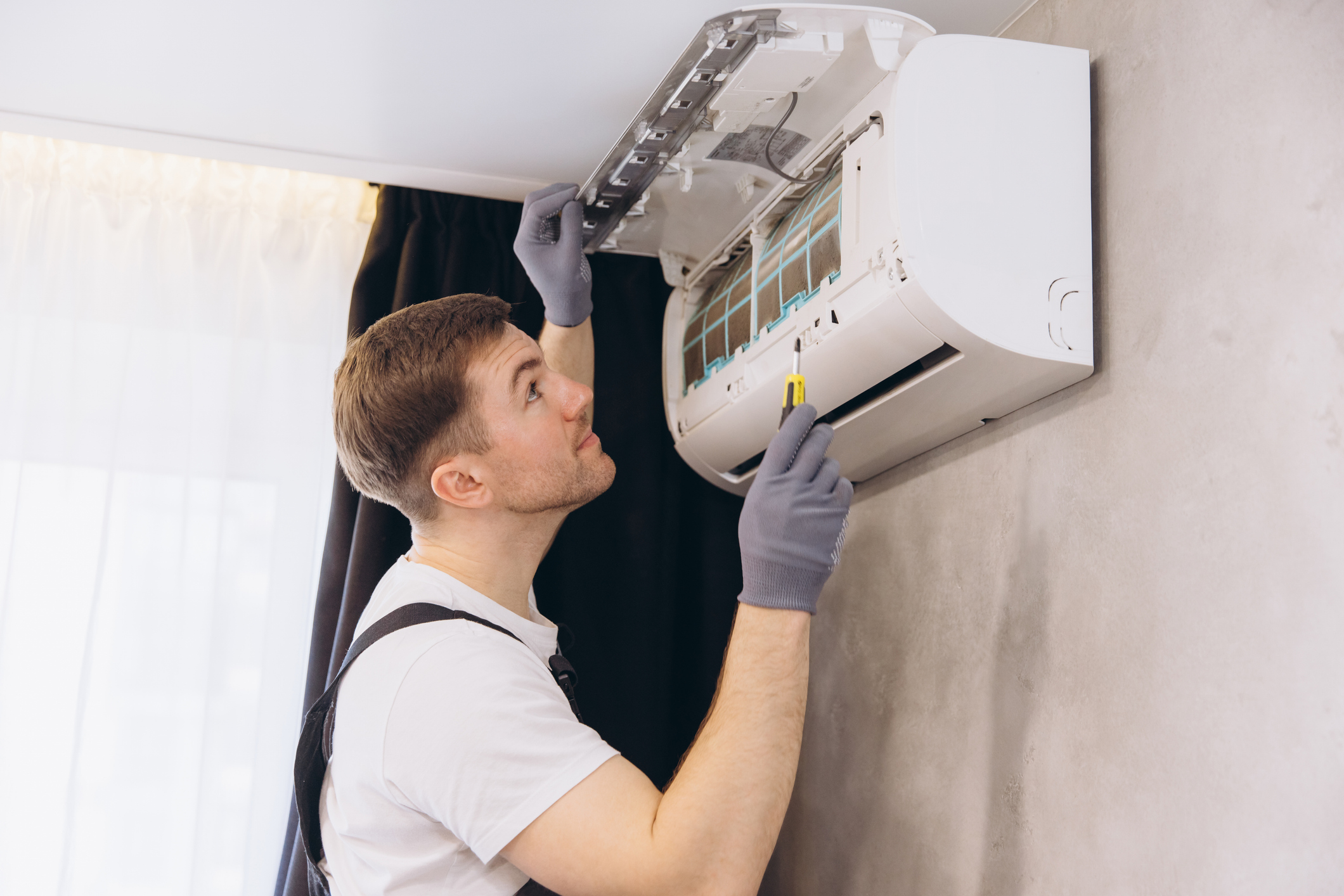
Having an HVAC professional test your indoor air quality allows them to customize a plan to improve it. There are different ways to approach your indoor air quality, and an experienced HVAC professional knows which ones are the right option. Whole home humidifiers and whole home air purification systems are good options, but the solution for your home may be as simple as having the ducts cleaned.
Preventive Maintenance Tips
The best way to keep pollutants from building up in your indoor air is to keep them from entering your home. As mentioned, avoid smoke producing activities, be thorough in your housecleaning, and use natural cleaners instead of toxic synthetic products. There are other preventive measures to take too, like changing your clothes and showering as soon as you come inside, and brushing your pets frequently. Use high efficiency filters in your HVAC, and change them regularly. Consider an air quality monitor, which can help you improve the air quality on your home by detecting gases like radon, carbon dioxide, and VOCs, as well as factors like humidity, mold risk, and outdoor pollen levels.
FAQs
- What’s the Best Way to Check Indoor Air Quality?
You may think that you have poor air quality, but the best way to verify that and identify the problem is with a professional inspection. Having an indoor air quality monitor is a great way to keep track of your indoor air quality between professional maintenance visits, and some issues are first discovered because people were monitoring their air with this kind of device - What Does an Indoor Air Quality Monitor Measure?
There are different types of monitors, some more tech-forward than others, and they measure different pollutants. Discuss your concerns with your HVAC technician, who may be able to recommend the right monitor for your area. - What Are Some Health Risks of Indoor Air Pollution?
Respiratory illnesses are a major consequence of breathing dirty air. Additionally, poor indoor air quality can cause short term issues like headache and fatigue, and long term problems like heart disease and cancer. - What’s the Best Way to Improve Indoor Air Quality?
Keep your HVAC system in good shape, with regular maintenance and inspections. Then, be proactive about keeping pollutants out of your home.
For Indoor Air Quality Services and Solutions, Contact Best Value A/C and Heating
When it’s time to check your indoor air quality and find ways to improve it, our local, veteran-owned, family-run business is here for you. Best Value A/C and Heating, LLC offers climate control service and repairs 24 hours a day, seven days a week, and we’re committed to providing excellent service to our customers in Volusia and Flagler Counties. We care about value, integrity, and preserving the comfort of your home, so you can count on us to handle your climate control problems thoroughly and at competitive prices. Contact us today for more information about all we have to offer, or to schedule an inspection, maintenance, or service through our website.
Indoor air quality is a growing concern for homeowners, especially as we spend more time indoors. Poor indoor air quality can lead to a range of…
Are you constantly battling dust in your home, only to find that it seems to settle back almost instantly? If you’re wondering why your home…