
One Room Hotter Than the Others? Here’s How to Fix It
Why Is One Room Hotter than the Rest?
We’ve all been there. You’re in one room, burning up, so you crank up the air conditioning, only to discover that the other rooms have become unreasonably chilly. Or you’re too cold, so you bump up the heater, only to be hit with what feels like a tropical heatwave when you move into another room. What is going on? This is a common problem, so we have plenty of advice on how to fix it.
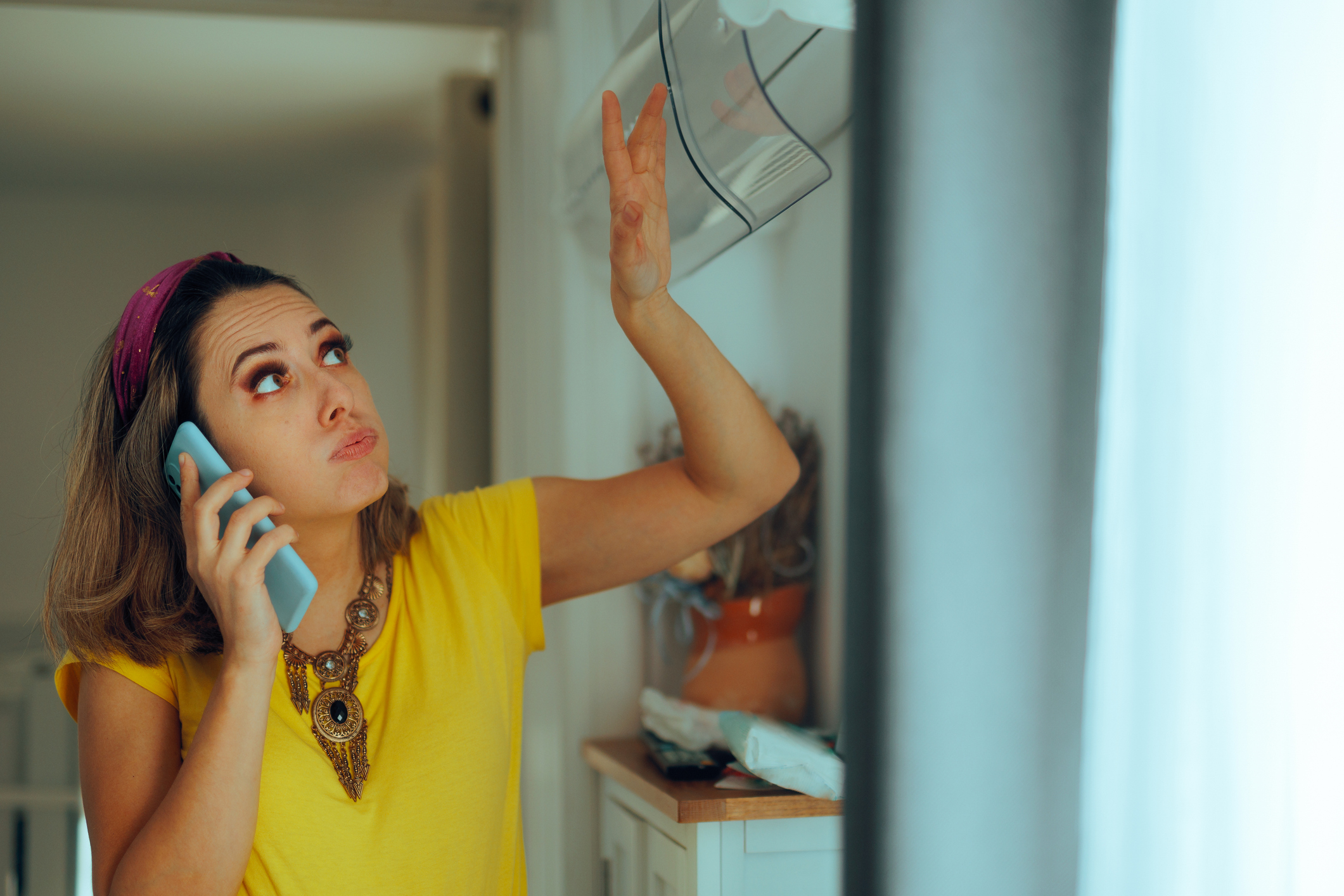
Quick DIY Checks Before Calling a Pro for Uneven Cooling in the House
The first step in determining how to handle uneven temperature control in your home is to determine what’s causing the problem. There are several scenarios that can cause one room to be warmer than another.
- In a multi-story home, the upstairs rooms may retain heat. This is because heat rises, but it also has to do with the thermostat typically being located on the ground floor.
- Rooms with ample sun exposure are likely to be too hot. The beautiful Florida sun, streaming through the windows, is a wonderful thing, but too much of a good thing can have a negative impact. In rooms with several windows, sunlight coming through the windows can trap heat and make the indoor temperature uncomfortable.
- Insufficient insulation can lead to uncomfortably warm indoor air. If you notice that a room in your home is too warm, even when the sun is not shining, the problem could be a lack of insulation.
- The problem could be your ductwork or return air vents. Damaged or dirty ductwork and blocked return air vents can cause air to circulate unevenly, leading to hot and cold spots in the house.
- Your HVAC system may be the problem. If you have an old, inefficient AC, or a system that is simply too small for the house, you may notice that it doesn’t efficiently heat and cool your home. What’s more, an insufficient system may also have trouble controlling humidity- a big issue for Floridian homeowners. For some homes, a single-zone HVAC system may not be capable of providing optimal cooling, and it may be time to move to a multiple-zoned system.
- If the thermostat is in the wrong place, it won’t be able to accurately read the temperature throughout the house. For example, a thermostat in an area with direct sunlight is likely to cool the home unevenly.
- A room full of electronics will inevitably be too warm. Think about all the heat produced by lamps, televisions, computers, and other electronic devices. Several of these devices in one room can impact the temperature significantly.
- Dirty air filters hamper the efficiency of an HVAC system. A filter that is dirty or clogged with dust will keep the air from circulating properly, and this means uneven heating and cooling.
- Your windows could be the problem. If your windows are old and energy inefficient, or the seal around the windows has degraded over time, they won’t be very effective at preventing air transfer. Indoor air will seep out, and outdoor air will leak in, making the indoor temperature uneven.
Long-Term Uneven Room Temperature Solutions
Solving your uneven temperature problem will depend on what is causing the problem. If it’s something simple, like ineffective intake vents or too much sunlight, you can fix that on your own. Take care not to block air vents with furniture, and clean them with your vacuum to keep dust and dirt from preventing efficient airflow. In a room with multiple windows, consider switching your window treatments. Blackout curtains, window film, and energy efficient blinds or shades can all help control the light in your room, and this helps control the heat, too. Fans can also be helpful, strategically placed, to move air around the house and make the temperature feel more comfortable. A fan can help disperse heat produced by electronics, too, if you must keep several in one room. However, issues that aren’t quite as simple may require professional assistance.
When to Call a Professional HVAC Technician to Fix a Hot Room in the House
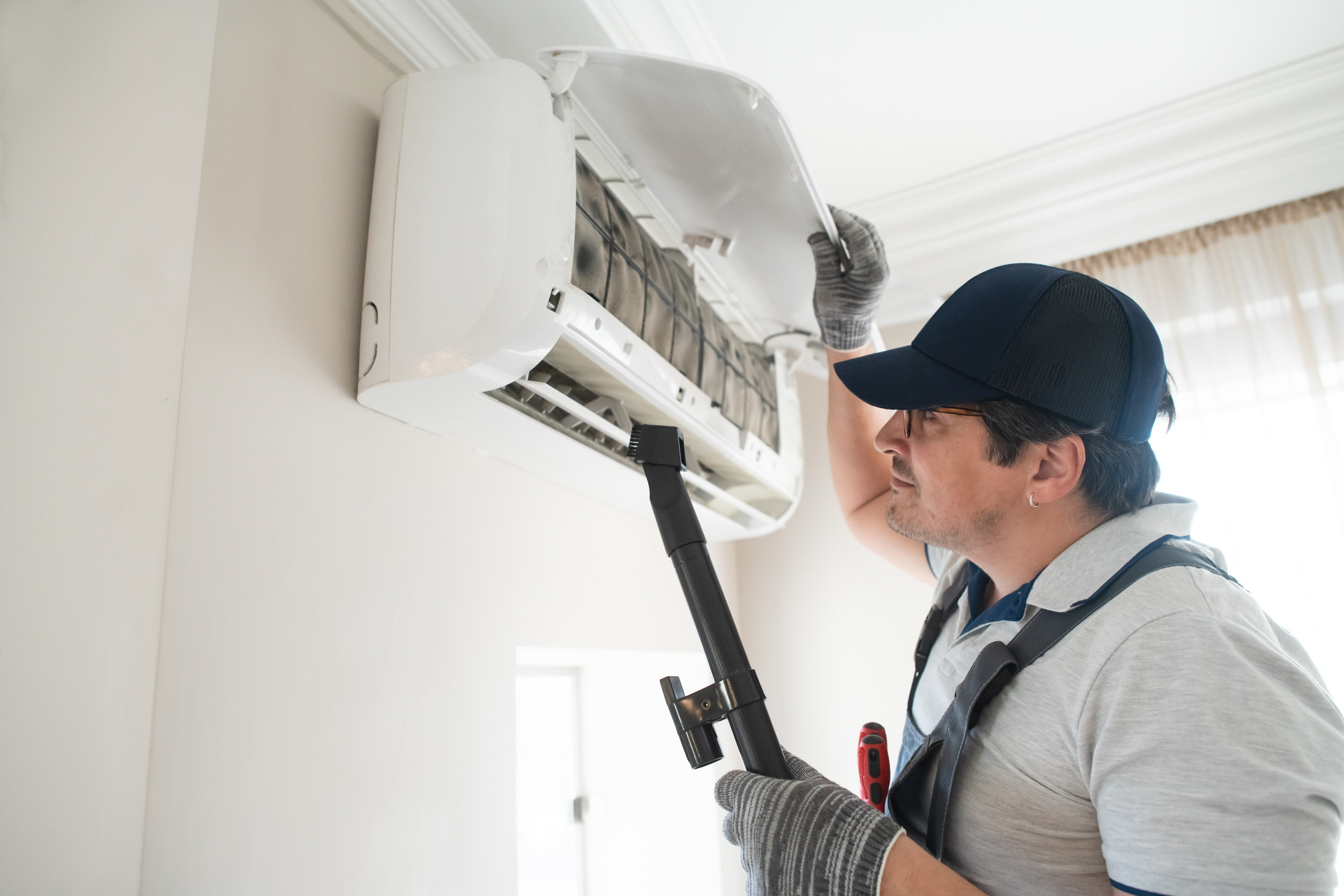
If the problem isn’t as simple as window treatments, moving furniture, employing fans or cleaning some vents, talk to an HVAC professional. An experienced professional can accurately diagnose the issue and recommend a solution for the problem. The answer may be to install an attic fan to circulate outdoor air and give your HVAC a rest, or it may be to have your insulation upgraded. Sealing and insulating the ductwork is another effective measure, because leaky ducts can allow as much as 30 percent of the air conditioned air they carry to escape. Having them professionally sealed can make a big difference in the efficacy of your HVAC system. In some cases, the recommended solution may be a new HVAC system, and today’s energy efficient models can not just make your home more comfortable but can also save money on your utility bills.
How to Prevent Future Home Temperature Imbalance
One benefit of having a professional HVAC company craft a solution for your uneven temperature control is that the measures they offer are likely to be forward-looking. Replacing your HVAC system, installing more energy efficient windows, changing your thermostat, or installing zoning systems are all good options for change that will prevent future issues. It’s also smart to have professional maintenance and annual inspections, to keep your system at its best.
FAQs
- What’s the Best Way to Fix Uneven Cooling in a House?
This depends on what’s causing the spotty temperature control. Having an inspection by an HVAC professional can help you find the right solution to your problem. - Is a Home Temperature Imbalance a Common Problem?
Yes! From too many electronics to too much sunlight to improperly positioned furniture, everyone has something that they may need to adjust for more efficient home climate control. - Will Ceiling Fans Keep a House Cool if the HVAC is Insufficient?
Ceiling fans do not actually cool a house. Rather, they circulate the air, making it seem cooler. That’s why it’s important to turn ceiling fans off when you exit a room; they won’t cool it, and you will waste energy leaving them running. - How Does a Zoned HVAC Work?
With a zoned climate control system, the home is divided into zones, and each has its own thermostat and system for distributing air. Using this kind of system, the home’s temperature regulation can be customized to provide optimal comfort.
Whether You Have Uneven Heat or Your AC Has Uneven Cooling, Best Value AC Can Help
When you are looking for reputable and experienced HVAC professionals to help you get the best performance from your system, our local, veteran-owned, family-run business is here for you. Best Value A/C and Heating, LLC offers climate control service and repairs 24 hours a day, seven days a week, and we’re committed to providing our customers with excellent service. We care about value, integrity, and preserving the comfort of your home, so you can count on us to handle your climate control problems thoroughly and at competitive prices. If you are in Volusia or Flagler County, contact us today for more information, or to schedule an inspection, maintenance, or installation service through our website.

Humidity Blues: Your Air Conditioner & Dehumidification
If you have lived in Florida for any length of time, you know that the humidity is an…
During the hot summer months, your air conditioning unit becomes an indispensable part of your household, providing cool comfort amidst the soaring…